

How Physical Therapy Helps Pelvic Health
— March Newsletter —
Are you experiencing pain in your intimate areas? Have you struggled with incontinence? For some, it can be challenging to talk about these types of struggles. At Movement Specialists Physical Therapy, we are musculoskeletal experts and work with people experiencing difficulties in all body regions.
Our highly trained team uses the most advanced strategies to help alleviate the pain and restore normal function of the bowel and urinary systems. We also help people experiencing pain during sex and experiencing dysfunction in sexual performance.
Everyone has a pelvic floor, and learning how to resolve issues can significantly impact your overall well-being. At Movement Specialists Physical Therapy, our team works with all types of problems affecting the pelvic region.
Request an appointment with one of our specialists so we can help you find relief!
What Is the Pelvic Floor?
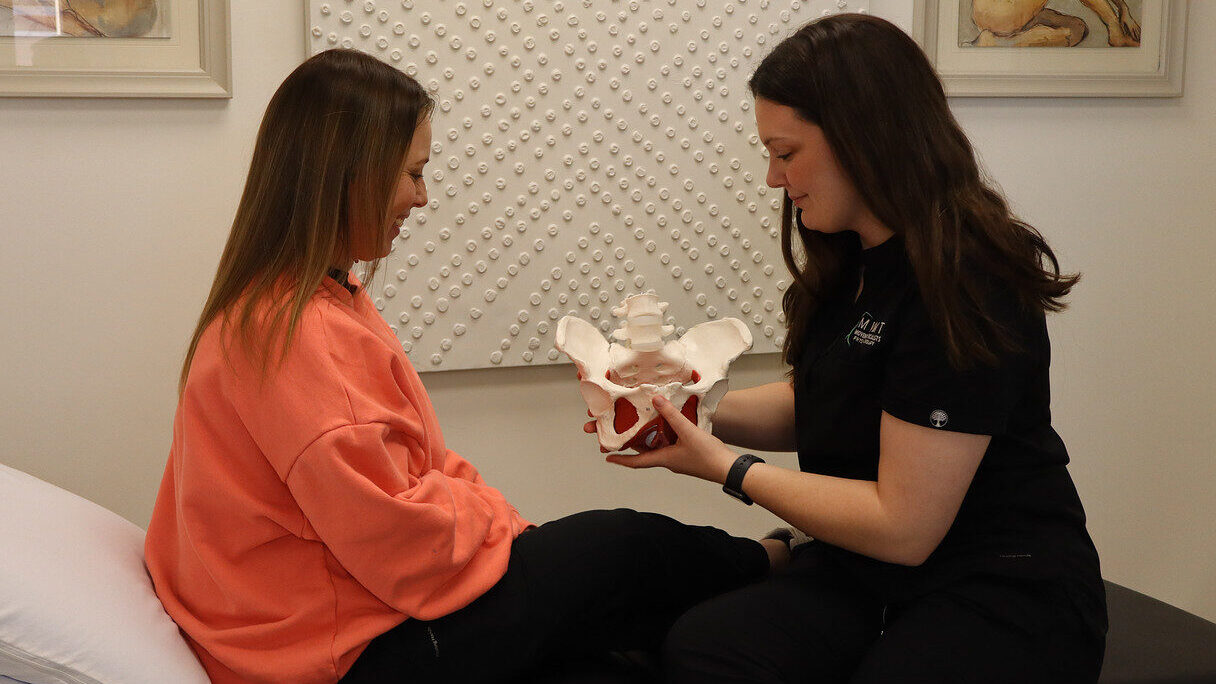
The pelvic floor is a term used to describe the region located in the bottom aspect of the pelvis. The pelvic floor is a complex system that works with the structures and systems in the pelvic cavity and the body.
The pelvic floor is supported by several muscles that also provide several essential functions, including supporting the organs found in the pelvis, bladder and bowel control, and sexual function. Impairments in muscle function can lead to pain and dysfunction.
The ability to contract the pelvic floor correctly can be affected by several factors, including:
- Weakened bladder muscles resulting from pregnancy, childbirth, obesity, and aging
- Physical damage to your pelvic floor muscles from childbirth or surgery
- Damage to the nerves from health problems like diabetes and multiple sclerosis
- Enlarged prostate
- Types of cancer
- Certain medications
- Trauma (physical, psychological/emotional)
Strong pelvic floor muscles are essential with activities where an extra force is added to the abdomen and pelvic floor (i.e., coughing, laughing, sneezing, and lifting). When these muscles are weak or not working as they should, pelvic floor dysfunction may occur. Fortunately, our physical therapists know how to identify the factors contributing to your problems and, more importantly, how to resolve them!
What Are the Most Common Issues People Face?
The pelvic floor muscles are needed for sexual function, urination, and defecation. Impairments are often ignored early on due to the difficulties of talking about this region of our body. We understand people’s difficulties, but it is important to note that addressing an issue when it first starts will often lead to a quick resolution and the most complete recovery.
Women experience pelvic floor conditions, including painful menstrual periods, painful urination, and urinary incontinence. The impairments will even lead to pelvic organ prolapse and chronic pelvic pain for some.
Fortunately, our physical therapists are trained in pelvic rehab and can help you resolve any issue you may be experiencing.
How Physical Therapy Can Help
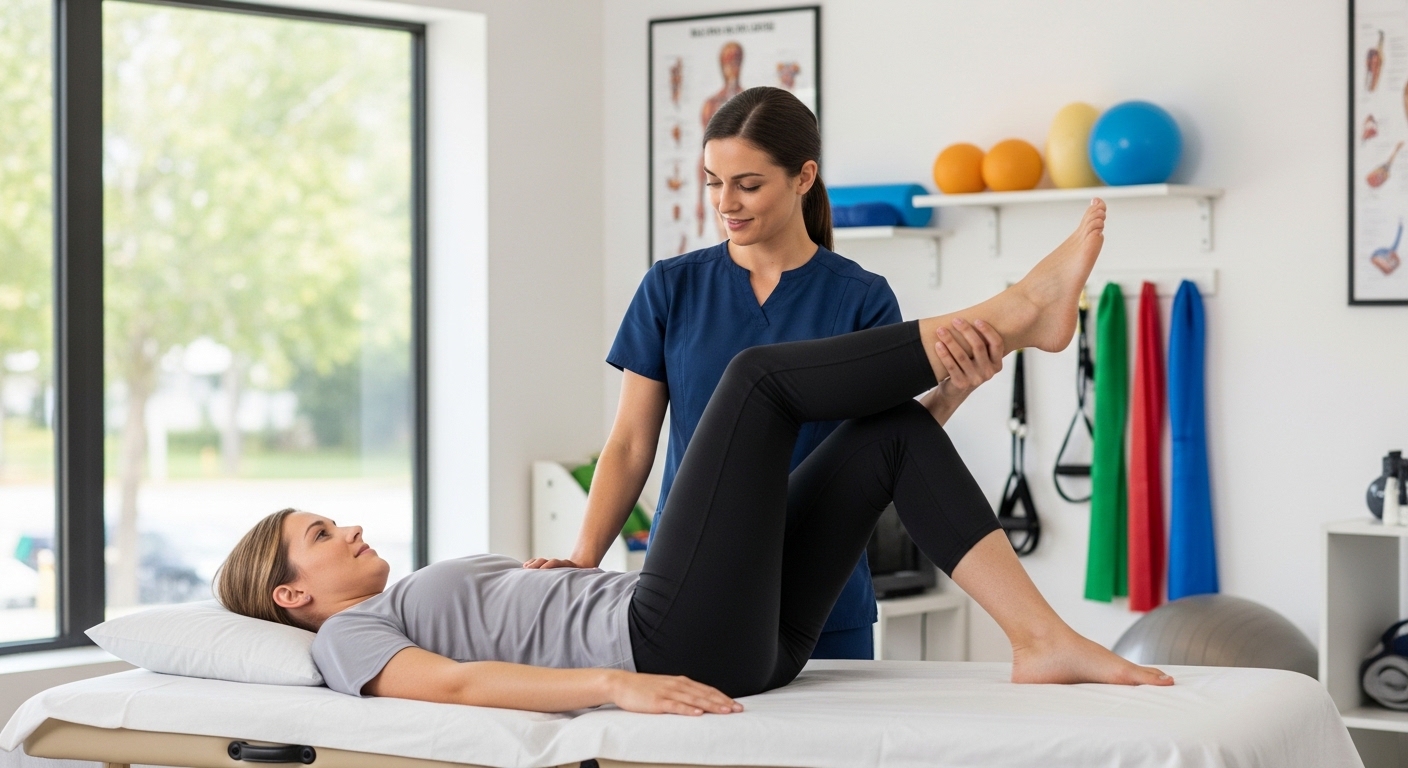
Our therapists at Movement Specialists Physical Therapy tailor our programs to the individual using research-backed, comprehensive treatment programs. We will conduct a thorough history and physical examination to identify all the possible factors contributing to your condition.
Evaluating the strength of the pelvic floor muscles includes assessing your ability to willfully contract your muscles and also identifying your ability to generate power and sustain a contraction. It is also essential to test your contraction speed and your ability to relax on command.
We will use this information to develop an individualized program focusing on helping you resolve your pain and restore your function. Our pelvic floor treatments include:
- Soft tissue mobilization and massage of internal and external pelvic musculature to relieve muscle tension and provide pain relief
- Pelvic floor muscle retraining to restore normal strength and endurance
- Neuro-retraining (i.e., incorporating pelvic floor muscle activation during simulated daily activities)
- Electrical stimulation modalities for pain relief and to restore normal neuromuscular activation of the pelvic floor muscles and nerves
- Bladder training (i.e., gradually holding urine for longer and longer periods)
Our team will educate you on home exercises and simple movements that you can build into your everyday activities. We believe that teaching you strategies to manage and improve your pelvic health is the key to lasting results.
Take Charge of Your Pelvic Health Today!
Discover how personalized physical therapy can help you feel stronger, move easier, and live better. Schedule your appointment with Dr. Elise Hood today and start your journey to lasting wellness.
Book Your Visit NowMardi Gras hits different when it’s home. 💜💚💛
Mardi Gras is part of who we are here in New Orleans, and our team at Movement Specialists loved celebrating it with the people who matter most – our families and our community. From parades to purple, green, and gold everywhere you looked, it was a season full of tradition, laughter, and time well spent together. We hope you and your loved ones had just as much fun as we did and were able to enjoy everything that makes this city so special. Here’s to good times, good health, and the community we’re proud to call home.

What Sort of Exercises Help the Pelvic Floor?
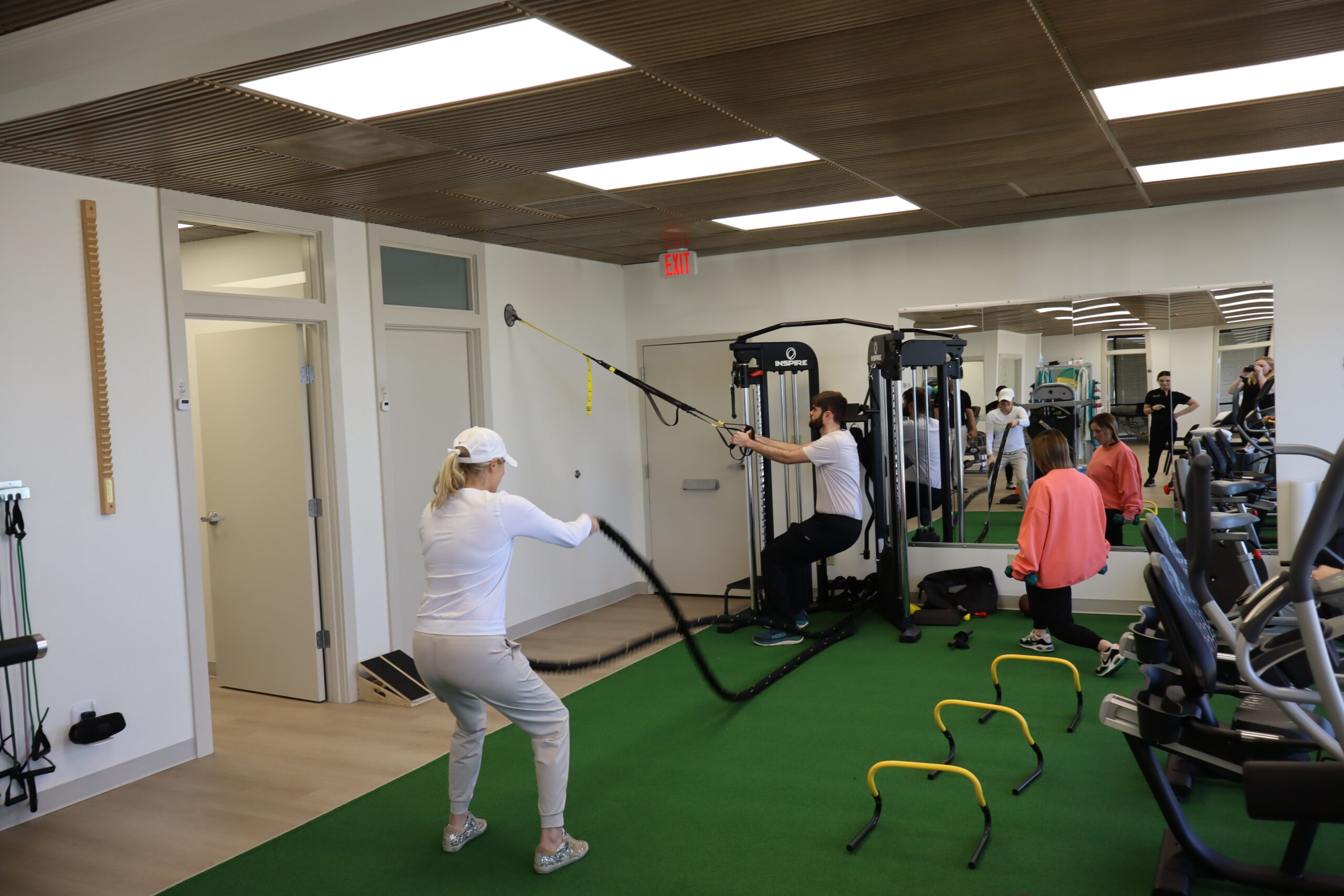
Your pelvic floor is a muscle like any other, which means exercise will help keep it in top shape! However, you may be wondering what exercises are most beneficial.
Here are some of our favorites to include in treatment plans, but do make sure to check with us before trying anything new:
Kegels
If you’re like most people, when you hear “pelvic floor exercises,” you probably think of Kegels, a technique for contracting and releasing the pelvic floor muscles. While beneficial, they can be tricky to perform correctly.
Fortunately, our team is on the case. We’ll walk you through the process and may use biofeedback technology to ensure you’re working the correct muscle.
Squats
It’s true–the mighty squat works more than your glutes and hamstrings! To perform a bodyweight squat, stand hip-width apart, then bend your knees as if you’re going to sit in a chair (you can use a chair–sitting down and getting up without using your hands emulates a squat movement).
Glute Bridges
Glute bridges are another great exercise for targeting the core, glute, and pelvic floor muscles. They involve lying on your back with your knees bent, slowly lifting your hips up from the floor, and pressing down on your sides with your arms.
Get Your Own Unique Exercise Plan Today!
The best way to stretch and strengthen your pelvic floor is to make an appointment at Movement Specialists Physical Therapy. We’ll provide you with a personalized program designed to suit your needs. Call us today to get started!
Book Your Visit NowWho do you know that needs our help?
Advanced Pain Relief Now Available in Metairie!
We’re thrilled to announce that Movement Specialists Physical Therapy is now offering Shock Wave Therapy and Smart Ice Laser Therapy – cutting-edge treatments designed to accelerate healing, reduce pain, and promote recovery for stubborn injuries like plantar fasciitis, tendon pain, and more. These services are available exclusively at our Metairie location and provided as self-pay options. Using the 45W Smart Ice Laser and Focused Shockwave units, our team can help target pain at the source and get you moving again – faster and more effectively than ever before.

Patient Success Stories
“I no longer have neck pain!“
“Staff is amazing, Holly has been very sweet & helpful! PT has helped so much, definitely improved my neck pain for the holidays & was able to enjoy my son’s wedding & festivities! Thanks to everyone at MVMT!! Joe’s been great!”
-M.B.
Request an Appointment
At Movement Specialists Physical Therapy, our physical therapists can help with incontinence, pelvic pain, and sexual dysfunction, whether your condition results from reconstruction surgery, abdominal surgery, prostate cancer treatments, pregnancy, or childbirth. No matter what it is, we most likely treat it. Contact our clinic today and request an appointment with one of our pelvic floor specialists!
Request an AppointmentSources: https://www.cochranelibrary.com/cdsr/doi/10.1002/14651858.CD005654.pub4/full, https://journals.lww.com/co-obgyn/Abstract/2019/12000/Pelvic_floor_physical_therapy_in_the_treatment_of.19.aspx, https://www.mdpi.com/2075-4426/11/12/1368/htm, https://pubmed.ncbi.nlm.nih.gov/30137629, https://pubmed.ncbi.nlm.nih.gov/24868546
Recipe For a Healthy Pelvic Floor

Healthy One-Skillet Mediterranean Chicken with Artichokes
Ingredients
Chicken Skillet:
- 2 tbsp avocado oil or olive oil (divided)
- 1.5 lbs chicken breast (cut into bite sized pieces)
- 2 cloves garlic (minced)
- 1 large zucchini
- 1 bell pepper (any color)
- 1/2 large red onion
- 3 tbsp fresh lemon juice
- 1 tbsp Italian seasoning
- 1/3 cup marinated artichoke hearts
- 1/4 cup kalamata olives
- 1/3 cup diced cherry tomatoes
- 1/2 cup feta or parmesan cheese (optional)
- 3 tbsp chopped fresh mint
- Salt and pepper to taste
Roasted Red Pepper Sauce
- 1 12 oz jar of roasted red peppers (liquid drained)
- 1/4 cup avocado oil or olive oil
- 2 tbsp red wine vinegar
- 2 cloves garlic (minced)
- 1/2 cup fresh basil leave
- 1/2 tsp sea salt
Instructions:
- Begin by heating a large cast iron skillet to medium high heat. Add 1 tbsp oil, then toss in the chicken once the pan is hot. Cook the chicken evenly until lightly browned (about 6-7 minutes). Remove from heat, but keep the pan hot.
- Chop up the zucchini, onion, and bell pepper. Add additional tbsp of oil, then toss in the chopped fresh veggies and garlic. Saute for 5-7 minutes until veggies begin to brown and are fragrant. Reduce heat to low.
- While chicken and veggies are cooking, make the roasted red pepper sauce. Using a high powered blender or food processor, blend peppers, oil, vinegar, garlic, and fresh basil until smooth.
- Add the chicken back to the pan, and spoon the lemon juice and Italian seasoning over the mixture. Add in the additional toppings: artichoke hearts, olives, and fresh tomatoes. Pour the roasted red pepper sauce on top. Serve with feta or parmesan (if using), and top with fresh mint.

Did You Know You Can See a Physical Therapist Without a Referral?
Not everyone knows you can go directly to your physical therapist if you are dealing with pain or an injury. It doesn’t matter if you’re dealing with an old or new problem. In all 50 states, you can schedule a visit with one of our therapists to get help sooner than later.
Direct Access is all about having the freedom to make your own decisions without being bound by outdated rules. It allows you to be in charge of your healthcare so you can focus on your recovery instead of waiting for another appointment to get you the help you need today!
Direct Access also helps you save money, schedule when you want, and speeds up your recovery so you can get relief and get back to doing what you love. If you have questions about Direct Access or would like to schedule an appointment with a physical therapist, contact Movement Specialists Physical Therapy now!

Do You Have Friends
or Family Unable to Do
The Following?
- Move without pain
- Bend and move freely
- Balance confidently and securely
- Sit for long periods comfortably
- Walk for long distances
- Live an active and healthy lifestyle
If you know someone suffering from aches and pains give the gift of health. Refer them to Movement Specialists Physical Therapy today. Forward this newsletter or have them call us directly for a physical therapy consultation.
Let’s Get You Better ASAP!
Don’t let pain dictate your life. Take the first step towards reclaiming your mobility and well-being with our expert support. Start your journey to a healthier you today.