

How To Relieve Dizziness and Vertigo
— August Newsletter —

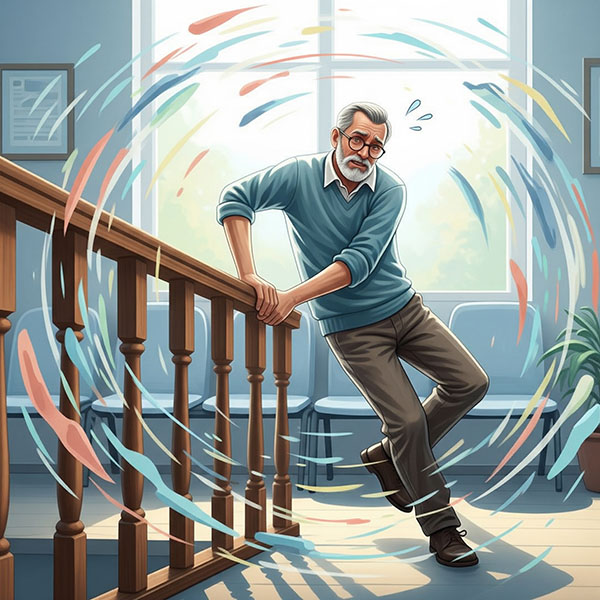
Lisa (not her real name) was tired of dealing with dizziness. Specifically, she was tired of dealing with vertigo, a spinning sensation that would suddenly hit her at seemingly random times throughout the day. The attacks made her wary of driving, and she worried she might fall and injure herself at home.
But then Lisa learned something interesting: physical therapy can help with vertigo and dizziness. She had some experience with PT, having gone through rehabilitation after a shoulder injury, but it never occurred to her that PT might be the solution to her issues with vertigo.
Eager for relief, Lisa made an appointment at Movement Specialists Physical Therapy. We conducted a comprehensive assessment and found that she had BPPV (benign paroxysmal positional vertigo). It develops due to the buildup of tiny crystals in the inner ear, which interfere with the body’s vestibular system.
We helped Lisa understand that her vertigo attacks weren’t as random as she thought. Instead, they occurred due to specific head movements that jostled the crystals. We helped identify those movements and performed some hands-on maneuvers that dislodged the crystals so they could no longer cause symptoms.
Because vertigo (and sometimes even dizziness) has a vaguely hallucinatory quality, people are often surprised to discover that its origins are typically physical. Fortunately, because they’re physical, PT is an excellent choice for finding relief.
To learn more, call to schedule an appointment.
Why Do We Feel Dizziness and Vertigo, Anyway?

First, it’s important to understand that dizziness and vertigo are technically two different things.
Dizziness is an umbrella term that can refer to any feelings of lightheadedness or wooziness. Most of us have experienced dizziness: maybe you stood up too quickly or felt a headrush when you got off a roller coaster. It can have other causes, too, such as medication side effects or low blood sugar.
Vertigo is a type of dizziness. It refers to a particular sensation: that you or the room is spinning around even when you’re standing still. It typically stems from issues with your vestibular system, which controls your body’s sense of balance.
The vestibular system is primarily located in your inner ear, although parts are also in your cerebellum. Most people who experience vertigo have inner ear issues, whether BPPV (the most common cause of vertigo) or another underlying condition, such as Meniere’s disease.
In some cases, vertigo might stem from issues in your cerebellum, although those are rare.
The Key Factor: A Personalized Approach
Physical therapy offers different options to help people manage their dizziness and vertigo. We always begin treatment with a comprehensive assessment to help us understand the root cause of your symptoms.
As with Lisa, we’ll also try pinpointing any triggers for dizziness or vertigo. By identifying these triggers, you can work to avoid them. For example, we can show you how to modify activities to reduce the likelihood of vertigo attacks. We’ll also perform specific movements and positions to restore inner ear function, just as we did with Lisa.
Another way we help people with dizziness and vertigo is through dedicated balance training. Vertigo can be unnerving, but it’s not usually dangerous in and of itself. Instead, the danger comes from an increased fall risk. Balance training helps improve your overall balance and stability through progressive balance challenges and strengthening exercises, especially in the core.
A Specialized Approach: Vestibular Rehabilitation
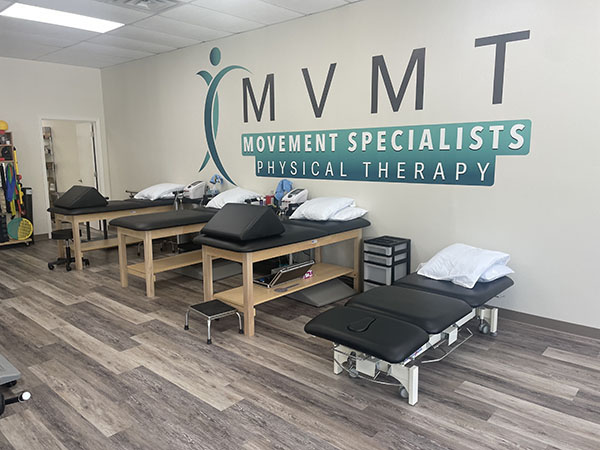
If your vertigo stems from an impairment in your vestibular system, we may suggest you begin a vestibular rehabilitation program. Vestibular rehab is a specialized type of physical therapy that focuses specifically on inner ear dysfunction. While your exact program will be personalized, it generally includes the following:
- Relaxation techniques to help you navigate a vertigo attack
- Habituation exercises that help you become accustomed to the vertigo sensations so that they lessen over time
- Vision exercises to improve your gaze stability, which often plays a role in vertigo symptoms
We’ll combine these specialized techniques with balance and conditioning exercises to ensure well-rounded treatment!
Sources:
https://www.physio-pedia.com/Vestibular_Treatment
Can The World Stop Spinning?
Literally, no–but when you successfully manage dizziness and vertigo, it can certainly feel like it! Call Movement Specialists Physical Therapy today to find out if you might benefit from physical therapy.
Schedule your initial appointment today!
Who do you know that needs our help?

Refer a Friend
Do You Have Friends or Family
Unable to Do The Following?
- Move without pain
- Bend and move freely
- Balance confidently and securely
- Sit for long periods comfortably
- Walk for long distances
- Live an active and healthy lifestyle
If you know someone suffering from aches and pains give the gift of health. Refer them to Movement Specialists Physical Therapy today. Forward this newsletter or have them call us directly for a physical therapy consultation.
Exercise of the Month
Double Knees To Chest
(Lower Back, Hips)
Start on your back with your knees bent. Slowly bring both knees to your chest. Grasp your knees. Hold for 30 seconds and repeat. 1 Set, 3 Reps

Physical Therapy Can Help You Recover From Golfing Injuries

Are you concerned about an old injury that seems to pop up every golf season? Have you wondered what to do to get ready for golf this year? Our physical therapists are highly trained movement experts at Movement Specialists Physical Therapy. We can help determine any limitations or restrictions affecting your swing and/or causing pain.
Golf is a sport that can be played by people of all ages, both male and female, and by varying degrees of ability and experience. Most golf injuries are overuse-type conditions, often due to poor swing mechanics, poor core strength, and/or improper warm-up.
Our physical therapists are experienced at caring for golfers and helping resolve injuries, old and new. We understand the mechanics of the golf swing and the specific demands on individual joints, soft tissue, and your body as a whole.
Request an appointment at Movement Specialists Physical Therapy today and let one of our physical therapists assess how your body moves and help you resolve any issue standing in your way of getting out on the course again!
Common injuries in golf
Whether you are a skilled golfer with a low handicap or a new golfer still trying to hit the ball every time, the most common injuries are similar in the body location. The differences tend to be seen in the percentage of injury at each site.
Although often considered a leisurely activity, golf requires considerable coordination and force generation, resulting in injury. The most common type of injury is overuse due to the total repetition of swings and, even worse, poor technique.
The most common injuries in golf occur in the following regions of the body:
Lower back: Improper swing technique is one of the leading causes of lower back pain among golfers. Swinging too forcefully and/or with too much or too little motion can lead to muscle strains and abnormal pressure on the spine’s discs.
This is particularly important for senior golfers who lose spinal mobility as they age.
Shoulder: Shoulder pain/injury can occur at any phase of the golf swing but tends to be due to faulty swings, a traumatic force like hitting a root or rock, taking a deep divot, and/or fatigue/overuse.
Golfers typically develop problems with their tendons (i.e., rotator cuff muscles) or degenerative and arthritic joint changes. Fortunately, most injuries respond to physical therapy intervention.
Hip: The hip joint typically has a lot of mobility and can withstand large forces. The hip is subjected to repeated stresses during the golf swing and is particularly vulnerable to injury.
Due to the extreme rotational and shear forces, injuries such as groin strains and joint sprains are common. Warming up muscles before play, proper foot position, and swing mechanics can limit or prevent damage. Improper swing mechanics can leave you vulnerable to injuries to the cartilage and muscles in the joint itself.
Knee: Knee pain is one of the most common types of injuries in the lower body of a golfer. The most common type of knee injury amongst golfers is a meniscal tear. This injury may be caused by sudden, forceful, twisting motions while bearing weight through the knee.
At Movement Specialists Physical Therapy, our therapists thoroughly understand movement and golf swing biomechanics. Our goal is to help you recover from an injury and improve your overall movement and strength to get back on the course doing what you love!
What to expect at your physical therapy visits
Most golf-related injuries result from overuse and/or poor swing mechanics. Our Movement Specialists Physical Therapy team understands the biomechanics and forces of the golf swing to identify and treat any musculoskeletal injury.
We will conduct a comprehensive evaluation on your first visit, including a thorough history and movement assessment. We will identify your unique joint range of motion and how your joints move in relation to one another. In addition, we will test your strength, coordination, and balance to ensure we determine any weaknesses and/or limitations that may impair your ability to swing correctly.
This information will help us design a program tailored to your individual needs: flexibility/mobility, strength, and power training. We will work with you to correct faulty movement patterns to reduce the likelihood of injury and improve your overall performance.
Our team will show you warm-up routines and in-season and/or preseason strength and conditioning programs that include education on enhancing performance so you can hit the ball with greater confidence!
Request an appointment at Movement Specialists Physical Therapy today!
Our physical therapists will design a golf-specific plan at Movement Specialists Physical Therapy to help you find relief and protect your body from future injuries and pain. No matter what condition you are dealing with, we can help you golf pain-free!
Call today to set up an appointment with our golf specialists!
Patient Success Stories
“Fantastic crew! I needed a last minute evaluation before a long trip. AJ made time for an evaluation, which helped me immensely. He quickly identified my issues and provided PT exercises to work on while I’m traveling. Friendly, knowledgeable, and caring: these are just a few words to describe this PT facility. Highly recommend you make this your go to PT facility. Thanks DPT AJ.” —Jason P.
“The staff is very friendly and kind. They greet everyone as we enter the door. It is because of this, it makes it easier to complete your therapy. This is the first time in my life that I ever had a broken bone. The recovery process was great with the Movement Specialist staff. It was amazing how every one knows your name. It reminded me of the Cheers’ theme song. Thank you for a wonderful experience. I would recommend this therapy clinic to everyone.” — N. J.

Spice Up Your Week With
Cajun Sausage And Rice Skillet

Looking for a weeknight dinner that is better than the box and just as easy? Bell peppers add some extra veggies to our take on an easy jambalaya-style andouille skillet dinner. The best part is that this is a complete meal, though we wouldn’t say no to some Garlic-Parmesan Green Beans on the side. Don’t stress if your package of sausage is less than a full pound—anything in the 12- to 16-ounce range will work in this recipe.
Ingredients
- 1 Tbsp. olive oil
- 1 (16 oz.) pkg. andouille sausage, sliced into half moons
- 1 medium green bell pepper, chopped (about 1 cup
- 1 medium red bell pepper, chopped (about 1 cup)
- 1/2 small yellow onion, chopped (about 1/2 cup)
- 2 cloves garlic, minced
- 2 tsp. Cajun or Creole seasoning
- 1/2 tsp. dried oregano
- 1/4 tsp. smoked paprika
- 1 (14.5 oz.) can petite diced tomatoes, undrained
- 1 1/2 cups chicken broth
- 1 cup uncooked long grain white rice
- 2 medium scallions, sliced
Directions
Gather all ingredients.
In a large skillet, heat oil over medium. Add sausage and cook until browned, about 5 minutes. Add green and red bell peppers, onion, garlic, Cajun seasoning, oregano, and smoked paprika. Cook, stirring often, until vegetables have softened, about 5 minutes.
Stir in diced tomatoes and chicken broth until evenly combined. Stir in rice and bring to a boil over medium-high. Once rice mixture has come to a boil, reduce heat to low, cover, and simmer 20 minutes, or until liquid has been absorbed by the rice.
Stir well and transfer rice to a serving bowl and sprinkle with chopped scallions.
https://www.southernliving.com/cajun-sausage-and-rice-skillet-11724688

Did You Know You Can See a Physical Therapist Without a Referral?
Not everyone knows you can go directly to your physical therapist if you are dealing with pain or an injury. It doesn’t matter if you’re dealing with an old or new problem. In all 50 states, you can schedule a visit with one of our therapists to get help sooner than later.
Direct Access is all about having the freedom to make your own decisions without being bound by outdated rules. It allows you to be in charge of your healthcare so you can focus on your recovery instead of waiting for another appointment to get you the help you need today!
Direct Access also helps you save money, schedule when you want, and speeds up your recovery so you can get relief and get back to doing what you love. If you have questions about Direct Access or would like to schedule an appointment with a physical therapist, contact Movement Specialists Physical Therapy now!
Let’s Get You Better ASAP!
Don’t let pain dictate your life. Take the first step towards reclaiming your mobility and well-being with our expert support. Start your journey to a healthier you today.